
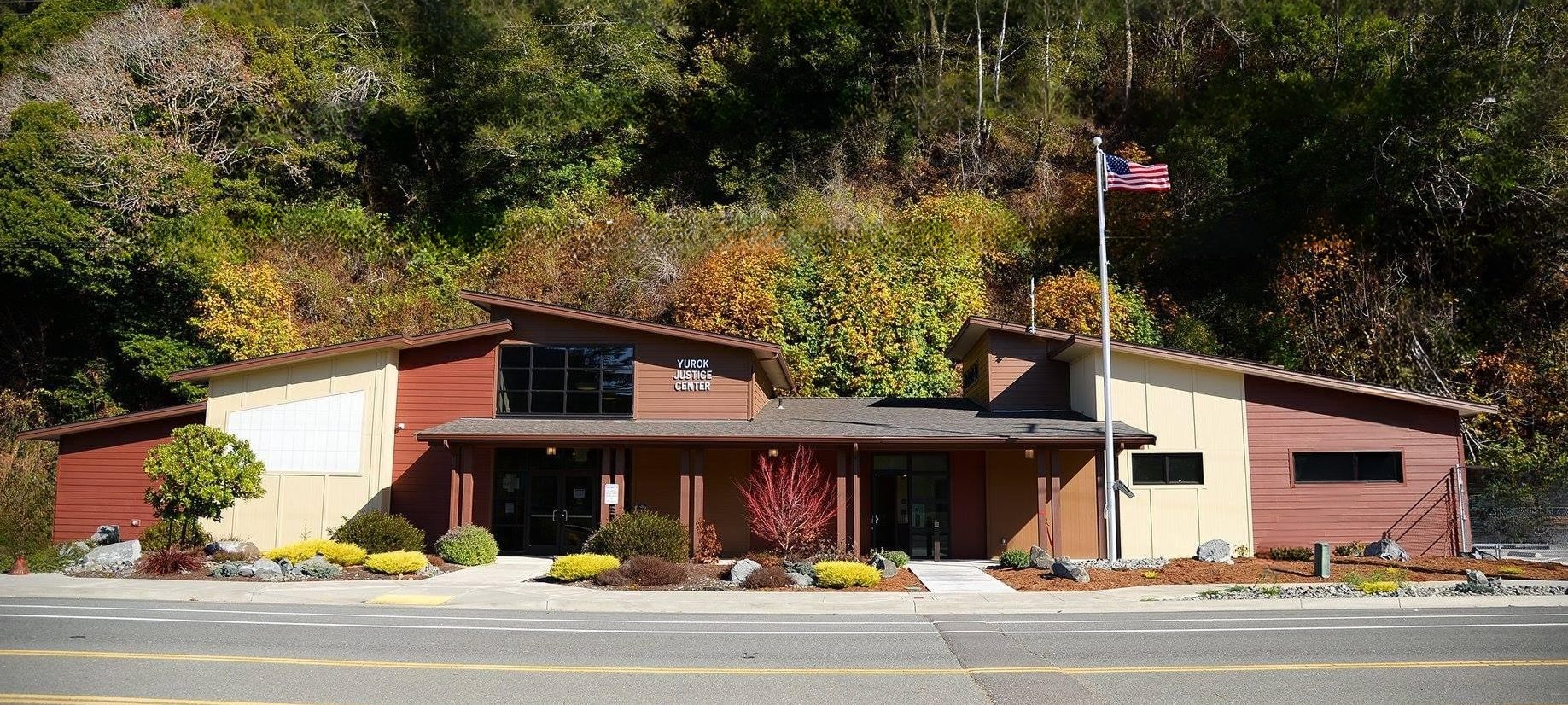

The Yurok Missing & Murdered Indigenous People Program through culturally responsive approaches, community engagement, and dedicated investigative efforts, strives to end the crisis of violence against Indigenous communities. We are committed to ensuring that every life is valued, protected, and remembered.

To’ Kee Skuy’ Soo Ney-Wo-Chek’ Project
The To’ Kee Skuy’ Soo Ney-Wo-Chek’ (I Will See You Again in a Good Way) Project is a Yurok Tribal Court initiative focused on justice, healing, and prevention. We honor and seek justice for missing and murdered Indigenous individuals by:
- Advocating for systemic change
- Supporting affected families
- Strengthening collaboration between tribal, local, state, and federal partners
Support for Families of MMIP Survivors
We offer compassionate support to families navigating the trauma and uncertainty of MMIP cases. Services may include:
- Assistance with private search efforts
- Coordination or attendance at awareness events
- Raising visibility of the MMIP family member’s case
- Support for reunification costs (e.g., disinterment, repatriation, burial)
- Emotional support, referrals, and justice system navigation (based on staff availability)
- Accompaniment to court hearings, legal appointments, or meetings with officials (based on staff availability)
Support for MMIP Survivors
Survivors of MMIP-related events may receive:
- Help securing new or permanent housing
- Access to emergency supplies
- Transportation to medical, legal, or support services
- Temporary shelter (1–3 days)
- Emergency relocation assistance
- Accompaniment to court, support groups, or medical/legal appointments (based on staff availability)
Call: 877-YT-Court (877-982-6878) ext. 4

Yurok Tey-ge-mem (To Consistently Buzz) Rescue Drone Project
The Tey-ge-mem Rescue Drone Project enhances search and rescue operations for missing Indigenous individuals. Using advanced drone technology, the program provides:
- Aerial surveillance
- Thermal imaging
- Real-time data to assist law enforcement and tribal communities
- Delivery of critical items in remote or hard-to-reach areas

California’s Feather Alert Program
The Feather Alert is a statewide notification system created to help locate missing Indigenous people in California. Activated by the California Highway Patrol (CHP), this alert provides rapid public awareness when an Indigenous person is believed to be missing under suspicious or dangerous circumstances.
The program was established under Assembly Bill 1314 and implemented on January 1, 2023, with updates through later legislation. Its purpose is to ensure that communities receive timely, actionable information that can aid in the safe recovery of missing Indigenous individuals. [chp.ca.gov]
When Is a Feather Alert Activated?
A Feather Alert may be issued when law enforcement determines:
- The missing person is Indigenous.
- Local and tribal resources have been utilized.
- There is concern for the person’s safety, including possible trafficking, physical endangerment, or medical/mental health vulnerability.
- Public dissemination of information could assist in their recovery. [chp.ca.gov]
The CHP’s Emergency Notification and Tactical Alert Center (ENTAC) is responsible for activating the alert once criteria are met. [chp.ca.gov]
How the Public Can Help
Community awareness is vital. If you see a Feather Alert or have information related to a missing individual:
- Stay alert and share the alert within your community.
- Call 911 immediately if you have information that could help. [mmipsd.org]
Learn More & View Active Alerts
For detailed criteria, program information, and current Feather Alerts, visit the official CHP Feather Alert webpage: [chp.ca.gov]
Human Trafficking Awareness
We urge all tribal members to remain vigilant and take proactive steps to protect themselves and their loved ones from this horrendous threat of Human Trafficking. Your safety and well-being are vital to the strength of our community.
Tips to Stay Safe:
- Practice Safe Social Media Habits
- Screen potential friends and followers.
- Do not accept invites from people you do not know.
- Stay Connected
- Traffickers often target individuals who are isolated. Keep open, non-judgmental communication with family and friends.
- Always let someone know where you’re going and when you expect to return.
- Sobriety Helps
- Avoiding drugs and alcohol makes it harder for predators to take advantage of you.
- Be Cautious of Job Offers
- If it sounds too good to be true, it probably is.
- Research the person, company, and position. Use LinkedIn, the Better Business Bureau, and other trusted sources.
- Ask for Help
- If you cannot stay at home, go to a place where you feel safe.
- Reach out to someone you trust and speak freely about what’s happening.
- Know Your Worth
- You are valued by your people. You are worthy of a long, happy life.
- Stay connected to your culture—it will help you discover how invaluable you are to your tribe, family, and community.
MMIP Reports & Research
Over three years, the To’ Kee Skuy’ Soo Ney-Wo-Chek’ Project has:
- Documented and analyzed the crisis of Missing and Murdered Indigenous Women, Girls, and Two-Spirit (MMIWG2) individuals in California
- Conducted survivor and family interviews
- Identified major gaps in federal and state tracking systems
- Highlighted the lack of tribal affiliation data
- Addressed jurisdictional challenges faced by tribal law enforcement
- Developed a Tribal Toolkit to support tribal governments and service providers
- Created and maintained a regional MMIP database
Access our three yearly reports below.
To’ Kee Skuy’ Soo Ney-Wo-Chek’ Year 1 Report
To’ Kee Skuy’ Soo Ney-wo-chek’ Year 2 Report
To’ Kee Skuy’ Soo Ney-wo-chek’ Year 3 Report & Toolkit
Do you have information, a tip, or a case to report? Please follow the links below to share information anonymously.
Fill out a form with as much information as you are comfortable sharing.
Send Information or a Tip on a Current Case
Add a Missing or Murdered Indigenous Person to our database.
Resources for Support:
- To’ Kee Skuy’ Soo Ney-wo-chek’ Facebook Page
facebook.com/Seyoouagainisgoodway - National Human Trafficking Hotline
🌐 humantraffickinghotline.org
📞 888-373-7888 - StrongHearts Native Helpline
🌐 strongheartshelpline.org
📞 844-762-8483 - National Indigenous Women’s Resource Center
🌐 niwrc.org
📞 855-649-7299
Please stay vigilant and do all you can to keep yourself and your family safe. Each of us is necessary to keep all of us strong.